
Rebuilding Self-Trust After Religious Trauma
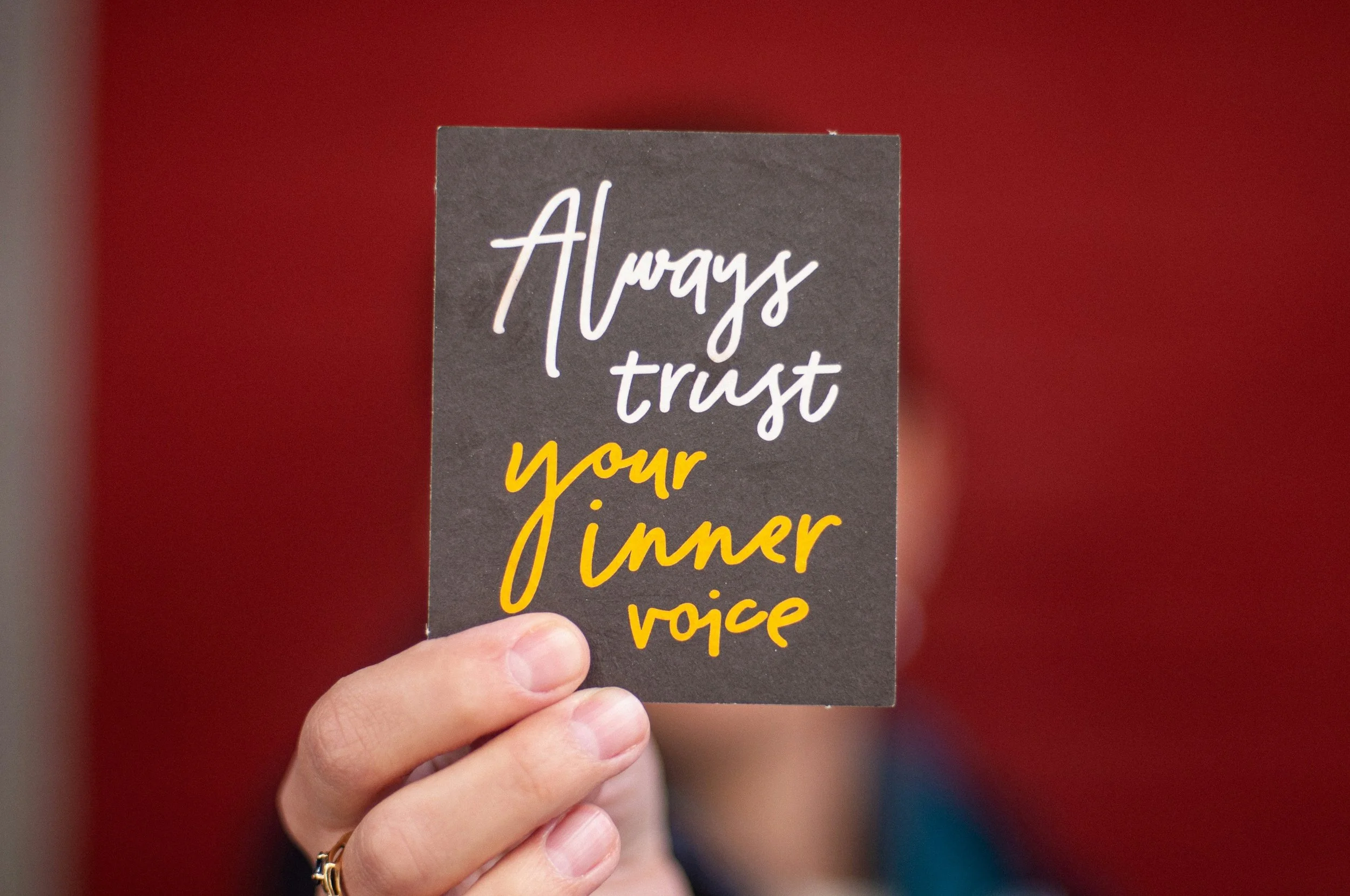
Photo by Giu Vicente on Unsplash
Many clients I work with who are healing from religious trauma describe a deep uncertainty about how to trust themselves. After years of being taught to question your feelings, silence your instincts, or rely on external authority to tell you what’s “right,” it can feel confusing or even unsafe to follow your own intuition.
This loss of self-trust is one of the most painful and lasting impacts of religious trauma. It can show up as becoming paralyzed in decision making, feeling anxious or guily about setting boundaries, or struggling to identify what you actually want. The good news is that self-trust isn’t gone forever and it can be rebuilt with care, patience, and support.
In my work with clients navigating religious trauma recovery, I often help people reconnect with their inner voice after years of being told not to listen to it. This process is deeply personal and unfolds at your own pace.
What Happens to Self-Trust After Religious Trauma
When you grow up or spend years in environments that discourage critical thinking or emotional honesty, it can lead to a deep disconnect from yourself. You may have learned that emotions were dangerous, that doubt was a sign of weakness, or that obedience mattered more than authenticity.
Over time, those messages can cause you to:
Dismiss your gut feelings, even when something feels off.
Struggle to make decisions without seeking approval.
Feel guilt or shame when asserting boundaries.
Experience anxiety or self-doubt when connecting to your body or emotions.
Many survivors describe feeling like they can’t trust themselves to know what’s real or what’s safe—especially if they were taught that human intuition is “sinful” or unreliable. These beliefs can stay lodged in the nervous system long after leaving the religious context.
Why Rebuilding Self-Trust Takes Time
Relearning to trust yourself is not a quick or linear process. It requires unlearning old patterns of fear and control, and gradually building new experiences of safety, choice, and connection.
In therapy, this often involves:
Reconnecting with your body: Learning to notice physical cues of safety or discomfort.
Naming emotions without judgment: Allowing feelings to exist without labeling them “good” or “bad.”
Recognizing internalized voices: Differentiating between your own beliefs and the messages you were taught.
Practicing small acts of choice: Rebuilding confidence through everyday decisions that honor your needs.
Each of these steps helps your nervous system experience that you can trust yourself again—and that listening to your inner wisdom is not dangerous but empowering.
How Therapy Supports Rebuilding Self-Trust
Therapy provides a compassionate space to explore these layers of disconnection and begin to reestablish trust in your inner experience. My approach integrates Eye Movement Desensitization and Reprocessing (EMDR) and Acceptance and Commitment Therapy (ACT)—both of which support healing from religious abuse in unique ways.
EMDR: Healing the Body’s Memories
Religious trauma isn’t just in your mind with how you think about things; it lives in the body, too. EMDR helps process painful memories that still carry emotional charge, causing you to feel as if the painful experience is happening now when it isn’t. When we target moments where you learned “my feelings can’t be trusted,” EMDR allows your brain and body to update that old story.
Over time, this helps you experience new internal evidence that your emotions, instincts, and body cues are trustworthy sources of information rather than threats and inherrently sinful.
ACT: Reconnecting with Your Inner Wisdom
Acceptance and Commitment Therapy helps you develop a more compassionate relationship with your thoughts and emotions. Instead of fighting or suppressing them, you learn to notice them as signals and data points guiding you toward what matters most.
In religious trauma recovery, ACT can be especially powerful for helping you reconnect with values that feel authentically yours, separate from what you were taught you “should” believe.
Together, EMDR and ACT provide both the trauma processing and values-based growth that support true self-trust that’s rooted in your lived experience, not imposed from outside authority.
Signs You’re Reconnecting With Yourself
Healing from religious abuse often unfolds subtly at first. You might begin to notice:
Less anxiety around decision-making.
An increased ability to say “no” without guilt.
More curiosity about your feelings rather than fear of them.
A growing sense of compassion for yourself.
The ability to differentiate between your intuition and inner critic.
These shifts are evidence of self-trust returning and building a relationship with yourself that feels safe and honest.
Practical Ways to Rebuild Self-Trust Outside of Therapy
Therapy offers structured support, but self-trust also grows through everyday practice. A few small steps can begin that process:
Pause Before Decisions. Give yourself a few moments to check in with your body before responding to requests or expectations.
Name What You Feel. Even if it’s uncomfortable, practice identifying what emotion is present without judgment or trying to solve it.
Track Moments of Intuition. Notice when your gut instincts were right—this reinforces internal trust.
Challenge the “Shoulds.” Ask where each “should” comes from and whether it aligns with your values today.
Create Gentle Routines of Self-Validation. For example, journaling phrases like “It makes sense that I feel this way” or “I can trust myself to handle this.”
These practices support the therapeutic work of restoring connection to your own internal compass.
Beginning Religious Trauma Recovery Through Therapy
Rebuilding self-trust takes courage, and it’s okay if that feels intimidating at first. My role is to offer a grounded, nonjudgmental space where you can safely explore what trust means for you.
If you’re ready to learn more about therapy for religious trauma and how it can support your healing process, I invite you to schedule a consultation. This is a brief meet-and-greet where we can talk through what brings you to therapy, discuss scheduling and payment details, and determine whether we’re a good fit to work together.